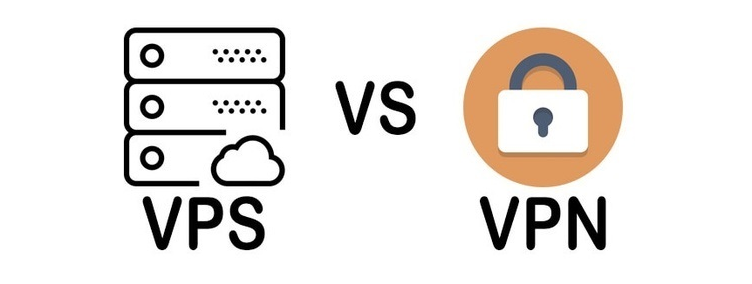
A VPN (virtual private network) and a VPS (virtual private server) are two different services, each with its own uses. Below we point out the main differences:
1. Definition and main purpose:
- VPN (Virtual Private Network):
- A VPN is a service that lets users connect to the internet through a private, secure network.
- The main purpose of a VPN is security, privacy and getting around geographic restrictions .
- With a VPN, the user's internet traffic is encrypted through an intermediary server and the user's identity and geographic location stay hidden.
- VPS (Virtual Private Server):
- A VPS is a virtual server that allocates part of the resources of a physical server to the user.
- The main purpose of a VPS is hosting websites, apps or online services .
- Users can use a VPS to run software, store data or host websites.
2. Uses:
- VPN:
- Getting around censorship and internet restrictions.
- Access to geo-restricted content (such as Iranian sites for users outside Iran).
- More security and privacy on internet connections.
- Encrypting internet traffic to prevent monitoring and hacking.
- VPS:
- Hosting websites and web applications.
- Running specific software or services on a server.
- Storing data and files.
- Use as a game server or a server for particular applications.
3. How it works:
- VPN:
- A VPN creates a secure tunnel between the user's device and the VPN server.
- All of the user's internet traffic passes through this tunnel and is encrypted.
- The user's IP is replaced with the VPN server's IP.
- VPS:
- A VPS is a virtual environment that allocates the resources of a physical server (such as CPU, RAM and storage) to the user.
- The user has full control over their server and can install the software and operating system they want.
4. Control and management:
- VPN:
- The user has limited control and can usually only use the VPN service to connect to the internet.
- VPN settings are usually managed by the service provider.
- VPS:
- The user has full control over their server and can manage it completely.
- The user is responsible for installing and updating software, managing security and backing up data.
5. Cost:
- VPN:
- It usually costs less and is paid monthly or yearly.
- Suitable for ordinary users who need security and unrestricted internet access.
- VPS:
- It costs more and varies depending on resources (CPU, RAM, storage).
- Suitable for businesses or developers who need a dedicated server.
6. Practical example:
- VPN:
- If you want to access Iranian sites from outside Iran or get more security on a public Wi-Fi network, a VPN is a good option.
- VPS:
- If you want to set up a website or run a web application, a VPS is a better option.
Summary:
- VPN is suitable for users who are looking for security, privacy and access to restricted content .
- VPS is suitable for users who need a dedicated server for hosting websites, apps or storing data .
Both services have different uses and the choice between them depends on your specific needs.